Sawan 2026: These 6 Jyotirlingas Welcome the Highest Number of Devotees Every Year
The holy month of Sawan (Shravan) 2026 has begun, marking one of the busiest pilgrimage seasons in India. Every year, millions of Lord Shiva devotees visit Jyotirlinga temples during this sacred month to offer prayers, perform Rudrabhishek, observe Monday fasts, and participate in the Kanwar Yatra.
While all 12 Jyotirlingas hold immense religious significance, a few temples witness exceptionally high footfall because of their spiritual importance, history, accessibility, and grand festivals. Here are the six most-visited Jyotirlingas in India based on the latest figures released by temple trusts and state authorities.
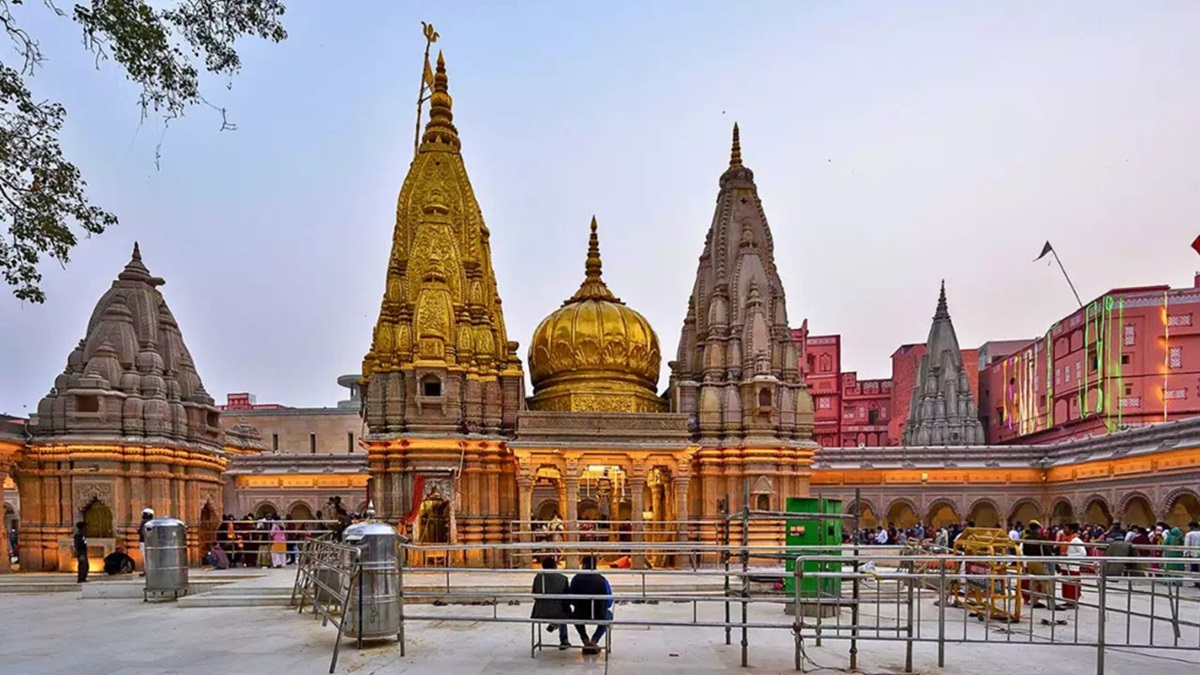
Kashi Vishwanath, Uttar Pradesh
Annual Footfall: More than 11 crore devotees
Located in Varanasi, Kashi Vishwanath is one of the most revered Shiva temples in the country. Since the inauguration of the Kashi Vishwanath Dham Corridor in 2021, the number of pilgrims has increased significantly, making it one of the busiest religious destinations in the world. The temple attracts devotees throughout the year, but the crowds become even larger during Sawan, when special rituals and celebrations are held every Monday.
Mahakaleshwar, Madhya Pradesh
Annual Footfall: Around 2.3 to 2.5 crore devotees
Situated in the historic city of Ujjain, Mahakaleshwar Jyotirlinga is famous for its unique south-facing (Dakshinmukhi) Shiva idol. The temple’s early morning Bhasma Aarti is among the most distinctive religious rituals in India and draws devotees from across the country. During Sawan, thousands of pilgrims line up daily to seek the blessings of Lord Mahakal.
Baidyanath Dham, Jharkhand
Annual Footfall: Millions of devotees every year
Located in Deoghar, Baidyanath Dham, also known as Baba Dham, becomes the centre of devotion during the month-long Shravani Mela. One of its biggest attractions is the Kanwar Yatra, where devotees collect holy water from Sultanganj in Bihar and walk nearly 105 kilometres before offering it to Lord Shiva.
Somnath, Gujarat
Annual Footfall: Nearly 1 crore devotees
Standing on the shores of the Arabian Sea, Somnath Temple is believed to be the first among the twelve Jyotirlingas. Along with its religious importance, the temple is known for its stunning coastal location. Visitors can also explore Somnath Beach, Triveni Sangam, and enjoy the temple’s popular evening light and sound show.
Kedarnath, Uttarakhand
Annual Footfall: Around 18 to 20 lakh pilgrims
Nestled at an altitude of 3,583 metres in the Garhwal Himalayas, Kedarnath is one of India’s most challenging yet rewarding pilgrimage destinations. Although the temple remains open for only about six months each year, lakhs of devotees undertake the trek or travel by helicopter to seek Lord Shiva’s blessings during the pilgrimage season.
Trimbakeshwar, Maharashtra
Annual Footfall: Several million devotees annually
Located near Nashik, Trimbakeshwar Jyotirlinga is unique because the sacred Jyotirlinga represents the Trimurti-Brahma, Vishnu, and Mahesh. The temple is also associated with the origin of the holy Godavari River. The shrine witnesses massive crowds during Sawan Mondays, Mahashivratri, and the Nashik Kumbh Mela.
Why Sawan Is the Best Time to Visit Jyotirlingas
Sawan is considered the most sacred month dedicated to Lord Shiva. Throughout this period, devotees observe fasts, perform special pujas, chant Shiva mantras, and undertake pilgrimages to Jyotirlinga temples. The month also brings a major boost to religious tourism, with hotels, transport services, and local businesses witnessing a sharp rise in visitors. For many devotees, visiting a Jyotirlinga during Sawan is not just a pilgrimage but a deeply spiritual experience that remains memorable for a lifetime.